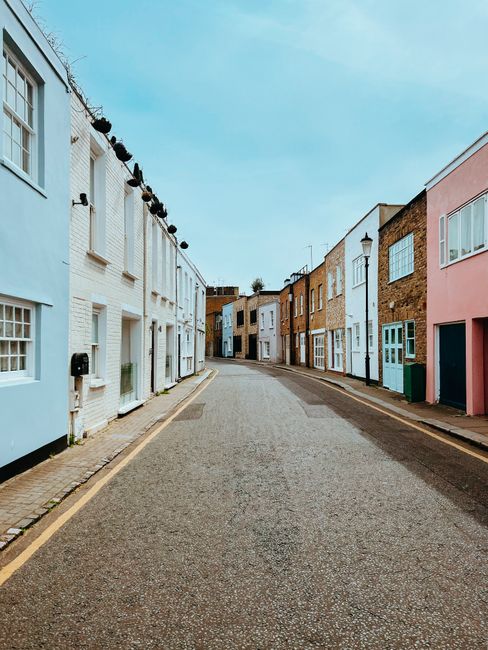
Abbeville Road Clapham Removals Tips for Narrow Street Moves
Posted on 15/07/2026

If you are planning a move around Abbeville Road in Clapham, you already know the awkward truth: the street can look perfectly manageable on a casual walk, then turn into a tight little puzzle once a van, boxes, neighbours, and parking pressure all arrive at the same time. That is exactly why Abbeville Road Clapham Removals Tips for Narrow Street Moves matter. The right approach saves time, reduces stress, and helps you avoid the classic moving-day scramble where everyone is standing around a front door saying, "It'll be fine, won't it?"
In this guide, we will walk through the practical side of narrow street moving in Clapham, from planning access and packing to vehicle choice, timing, and the small details that make a surprisingly big difference. You will also find a checklist, comparison table, and a realistic example from a local-style move so you can plan with a bit more confidence. No fluff. Just the useful stuff.
Why Abbeville Road Clapham Removals Tips for Narrow Street Moves Matters
Abbeville Road and the surrounding Clapham streets have a character people love: handsome homes, busy cafes, tree-lined sections, and that classic South London feel. But moving in this part of town is not the same as moving on a wide suburban road with easy turning space. Narrow access changes everything. A van that is technically "big enough" may still be the wrong fit. A perfectly packed box can still become a problem if the route from the front door to the vehicle is crowded with cars, bins, railings, or pedestrians.
The point of planning well is not just convenience. It is protection. Protection for your furniture, your walls, your neighbours' cars, and your own sanity. To be fair, most moving-day issues on tighter streets are not dramatic disasters. They are small delays stacking up: a missed parking spot, a sofa that will not turn the corner, a staircase that feels one step too small, or a driver forced to wait while someone digs for a permit. That sort of thing.
Good planning also matters because narrow-street moves often involve more coordination with your removals team. If you are comparing providers, it helps to understand the operational side as well as the quote. Pages such as services overview, removals in Clapham, and pricing and quotes can help you think through what level of support is sensible for your move.
How Abbeville Road Clapham Removals Tips for Narrow Street Moves Works
The process is simpler than it sounds, but only if you treat it as a logistics job rather than a basic van hire. A narrow street move usually works best when you split the task into three layers: access, handling, and timing.
Access means how the vehicle gets as close as possible to the property without blocking traffic or creating a risk. On a tight road, that might mean a smaller removal van, a planned loading window, or a short carry from the nearest safe stopping point. Handling refers to how furniture and boxes are moved in and out of the home. That is where packing quality, furniture dismantling, and doorway protection really start to matter. Timing covers the moving day itself, including early starts, traffic flow, neighbour activity, and how long it takes to get parking sorted.
If your move is in a flat, a top-floor conversion, or a property with awkward access, the strategy changes again. In those cases, services like flat removals, house removals, and man with a van in Clapham can be relevant depending on volume and access. The right choice is usually the one that matches the street, not just the number of rooms.
One small but useful point: narrow street moves often fail when people focus only on the destination address and forget the route outside. That few metres between road and front door are the whole game.
Key Benefits and Practical Advantages
There is a reason experienced movers treat narrow street jobs differently. When you plan properly, the benefits show up immediately, often before the first box is even lifted.
- Faster loading and unloading because the team knows where the vehicle can safely stop.
- Lower damage risk since bulky furniture is less likely to scrape walls, banisters, or door frames.
- Less stress for you, the crew, and neighbours who may otherwise be left guessing what is happening outside.
- Better use of van space when packing is organised by size and fragility.
- Fewer last-minute surprises because parking, access, and timing have been thought through.
There is also a commercial upside if you are choosing between removal options. A smaller vehicle, a well-planned route, or a more focused service can sometimes be a better fit than paying for capacity you do not need. If you are moving lighter loads, man and van services or a dedicated removal van may make sense. If the job is larger, a full removals team can reduce the risk of repeated trips and wasted time.
Let's face it: on a narrow Clapham street, "efficient" is not just a nice word. It is the difference between a calm move and a day that drags on until tea time.
Who This Is For and When It Makes Sense
These tips are useful for a few very different groups, and that is part of the reason they matter so much. Narrow street moving is not just for one type of household.
- Flat movers dealing with stairs, shared entrances, and limited kerbside space.
- House movers with larger furniture and more household contents to coordinate.
- Students and sharers who may be moving on a tighter budget but still need an organised approach. For that, student removals in Clapham can be a sensible starting point.
- Families with children, pets, and a lot of boxes that need to move quickly and safely.
- Anyone with awkward items such as a piano, large wardrobe, or fragile furniture.
It also makes sense if you are in a hurry. Same-day or short-notice moves can happen, especially in London, and narrow access raises the stakes. If that sounds familiar, same-day removals in Clapham may be worth checking. For specialised items, piano removals and furniture removals are useful to consider because not every job should be treated like a standard box-and-bag move.
If your property is near the station or on a busy part of the route, there is a little more pressure again. In that case, articles like removals near Clapham Junction station can help you think about local traffic patterns and time windows, even if your exact street is different.
Step-by-Step Guidance
Here is the practical version. If you follow these steps in order, your narrow street move is far more likely to stay smooth.
- Measure the access points. Check door widths, hallway corners, stair landings, and any awkward bends on the route out of the property. A tape measure is boring but excellent.
- Assess vehicle access. Think about where a van can legally and safely stop. On narrow roads, the "best" stopping point may not be directly outside the front door.
- Book the right size service. A small van is not always better, and a large truck is not always necessary. Match the vehicle to the street and load. If you need guidance, removal companies in Clapham can advise on fit and handling.
- Declutter before packing. The fewer unnecessary items you move, the easier narrow access becomes. Less volume means fewer trips and fewer chances to bump something.
- Pack room by room. Label boxes clearly so the unloading side is quicker and less chaotic.
- Dismantle bulky items where possible. Beds, tables, and wardrobes often move more easily in pieces. Keep screws and fittings together in labelled bags.
- Protect the property. Use floor covers, corner protection, and blankets where appropriate, especially in tight hallways and stairwells.
- Time the move properly. Early starts can help reduce traffic and footfall. Midday can be trickier where cafes, deliveries, and pedestrians pick up.
- Keep essentials separate. Documents, chargers, medicines, snacks, kettle items, and a change of clothes should not be buried in the last van load.
- Walk the route once more before loading. The final check often catches the silly stuff. A low plant pot, a half-open gate, a neighbour's car parked too close. You get the idea.
If your move is more complex than it first looks, a broader removal services package may be more sensible than piecing things together yourself. Truth be told, that is often where people save time and avoid a headache.
Expert Tips for Better Results
Here is where the finer details come in. These are the kinds of things experienced movers tend to think about automatically, but many customers only discover them after one difficult move.
Choose the loading point with the fewest conflicts. It is not always the closest point to the front door. Sometimes the safer stop is 15 or 20 metres away if that avoids blocking a junction or a tight bend.
Use uniform box sizes where you can. On narrow streets, neat stacking is more than a visual nicety. It makes a cramped van easier to load and unload without reshuffling every five minutes.
Keep delicate items separate from high-turnover items. Mirrors, lamps, and artwork should not be trapped behind a pile of random kitchen boxes. That sort of thing turns a tidy plan into an awkward one very quickly.
Prep neighbours politely. A simple heads-up can go a long way on a residential road. You do not need to overdo it. Just enough to reduce surprises and keep the atmosphere civil.
Have a "first-open" box. Put kettle items, toilet paper, chargers, and a few basics in one clearly marked box. You will thank yourself later, usually around 8 p.m. when everything else is still in boxes.
Use the right team for special items. A piano, heavy antique cabinet, or oversized sofa may need extra handling. The key is not heroics; it is planning. If in doubt, specialist support is usually the wiser choice.
One more thing. If you are comparing providers, look beyond the headline price. A cheap quote can be expensive if the crew arrives underprepared, the vehicle is too large, or the access plan is vague. A good company should be able to explain how they would handle a tight street without sounding vague or defensive.

Common Mistakes to Avoid
Narrow street moves have a few recurring traps. Some are obvious. Some are sneaky.
- Booking a van without checking access first. This is the big one. A vehicle that is too large can waste time before the move even starts.
- Leaving packing until the night before. Rushed packing leads to weak boxes, poor labelling, and fragile items packed badly.
- Assuming parking will sort itself out. On streets like Abbeville Road, parking can become the whole story if nobody plans for it.
- Forgetting that stairs reduce speed. What looks like a straightforward two-bedroom move can take much longer if there are narrow staircases and awkward turns.
- Overfilling boxes. Heavy boxes are harder to carry through tight spaces and more likely to split.
- Not checking insurance and terms. Read the details before moving day. It is not exciting, admittedly, but it matters if anything goes wrong.
There is also a softer mistake: not asking enough questions. A good removals plan should leave you clearer, not more confused. If something feels unclear, ask. That is exactly what the team should expect.
Tools, Resources and Recommendations
You do not need a huge kit to move well, but a few practical tools make life noticeably easier. Nothing fancy. Mostly just sensible basics.
- Strong boxes and tape for clean stacking and fewer accidents.
- Furniture blankets or wraps to protect surfaces during tight manoeuvres.
- Door protectors and floor coverings for narrow entrances and shared hallways.
- Labels and marker pens so box destination and fragility are obvious.
- Basic toolkit for dismantling beds, tables, and shelves.
- Phone charger and contact list because moving days have a habit of draining batteries at the worst time.
If you are deciding between storage, extra vehicle capacity, or a simpler move, it can help to think in terms of stress reduction rather than just cost. Short-term storage in Clapham is sometimes the right call if the property is not ready or the new place needs a staggered move-in. And if your packing is the part you dread most, packing and boxes support can take a lot of pressure off.
For general reassurance about service scope, about us is also useful reading. It helps you understand the company approach before you commit. A small detail, maybe, but it often makes choosing much easier.
Law, Compliance, Standards, or Best Practice
Moving home in London is not usually a heavily regulated event for the customer, but there are still sensible standards and responsibilities to keep in mind. If a removals company is handling your belongings, it should operate with clear procedures around safety, handling, and customer expectations. That means sensible lifting practices, careful vehicle loading, and transparent communication about access issues or extra charges.
On the customer side, it is wise to check what the company says about liability, insurance, payment, and complaint handling. Those pages are not exciting reading, but they are the sort of practical safeguards that matter if plans change or something needs to be resolved. Useful references on the site include insurance and safety, terms and conditions, payment and security, and complaints procedure.
It is also worth being aware that residential streets may have local parking restrictions, loading limits, or neighbour access concerns. That is not something to guess at on the day. If there is any uncertainty, plan conservatively and leave a buffer. Better to arrive a bit early than to spend half an hour circling the block, muttering at the sat nav.
If sustainability matters to you, it is sensible to ask how unwanted packing materials, old furniture, or reusable items are handled. A responsible approach to recycling and sustainability can make a move feel cleaner and more organised, not just physically but mentally too.
Options, Methods, or Comparison Table
Different moves call for different setups. Here is a simple comparison to help you decide what is likely to fit a narrow street move around Abbeville Road.
| Move Type | Best For | Strengths | Watch Outs |
|---|---|---|---|
| Man and van | Small flats, light loads, short distances | Flexible, usually easier on tight streets, efficient for fewer items | Can be less suitable for larger homes or bulky furniture |
| Removal van | Moderate moves with organised packing | Good balance of space and manoeuvrability | Still needs careful parking and route planning |
| Full removals team | Larger homes, families, complex access, heavy items | More hands, more coordination, better for awkward furniture | Usually more planning needed, and sometimes higher cost |
| Storage plus staged move | Delayed completions or phased moves | Reduces pressure when timing is uncertain | Extra handling and a second transfer later |
If you are still not sure which option suits your situation, a wider look at removal services in Clapham can help you compare what is available. It is often not about finding the fanciest service. It is about finding the one that fits your street and your load.
Case Study or Real-World Example
Picture a typical Clapham moving day. Two people are leaving a first-floor flat near Abbeville Road. The property has a narrow staircase, a large sofa, a bed frame, a dining table, and quite a few kitchen boxes. Nothing extreme, but enough to become awkward if the plan is loose.
They start by measuring the largest items and checking the staircase bends. One wardrobe is dismantled the day before, and the sofa is wrapped properly rather than dragged through the hallway bare. The removals team uses a smaller van instead of a larger one, because the street parking is tight and there is no sensible way to leave a bigger vehicle blocking access. The loading point is chosen a little further along the road where stopping is safer. Not ideal on paper, perhaps, but much smoother in practice.
The move runs more cleanly because the boxes are already labelled by room and the most fragile items are kept apart. One neighbour asks what is happening, gets a quick explanation, and that is that. By early afternoon the main furniture is out, and the final boxes follow without the usual stress spiral. No drama, no scraped wall, no heroic last-minute reshuffling in the rain. Just a move that felt organised enough to breathe through.
That kind of result is completely ordinary when the planning is done well. And honestly, ordinary is exactly what you want on moving day.
Practical Checklist
Use this checklist in the final 48 hours before your move. It is simple on purpose.
- Confirm the moving time and arrival window.
- Check access at both addresses, including stairs and door widths.
- Confirm the vehicle size is suitable for the street.
- Set aside keys, documents, chargers, and essentials.
- Label boxes clearly by room and fragility.
- Disassemble furniture where needed.
- Protect floors, doors, and corners if possible.
- Clear hallways and entrance routes.
- Warn neighbours if there may be loading activity.
- Keep a small cleaning kit and bin bags handy.
- Check payment details and any insurance questions in advance.
- Have water and a snack ready. Seriously, it helps.
Expert summary: for narrow street moves in Clapham, the winning formula is usually simple: choose the right vehicle, pack intelligently, keep access clear, and leave a little breathing room in the schedule. That last part is underrated. Always.
Get a free quote today and see how much you can save.
Conclusion
Abbeville Road Clapham removals do not need to be stressful, even on a narrow street. They do, however, need a bit more care than the average move. If you plan access properly, choose the right transport, pack in a way that suits tight hallways and corners, and keep timing realistic, the day becomes much more manageable. Small decisions add up fast.
That is really the heart of it. The best narrow street moves are not flashy. They are calm, tidy, and a little bit unremarkable in the best possible way. If you can get there, you have done well. And if you need a bit more guidance before booking, the right local support can make the whole thing feel less like a gamble and more like a plan.
Moving home can be a noisy, dusty, emotional job, but with the right approach it does not have to feel like chaos. One step at a time, and you will get through it.