Removal Companies in Clapham

Removal companies in Clapham need to do more than move boxes from one address to another. The right service should help with household moves, furniture handling, packing support and the careful planning that keeps a relocation orderly from the first load to the last item off the van. Our removals service in Clapham is built around practical moving work for homes and smaller commercial premises, with clear attention to access, timing and the safe handling of belongings.
We focus on the parts of a move that matter most to customers: lifting, loading, transport, unloading and sensible coordination. That can suit a flat move, a family home, a change of office location or a planned transfer of furniture and mixed household items. If you are comparing removal services with more basic transport options, it helps to think about how much support you want with packing, furniture protection and the overall sequence of the move.
For many customers, the best result comes from keeping the scope straightforward and well matched to the property. You may only need a van and a few careful hands, or you may need a larger team for a fuller move with more handling and time on site. Tell us what needs moving, where it is going and how the property is arranged, then use that detail to request a quotation that reflects the actual work involved.
House moves and home removal planning
Home removals often involve more than simply carrying items from room to room. Sofas, wardrobes, beds, tables, white goods and packed boxes all behave differently, and each item can need a different approach to lifting and protection. A careful home move starts with the layout of the property, the amount of packing already completed and whether large furniture has to be dismantled before loading. That is why it is useful to treat the move as a planned job rather than a last-minute transport task.
Our home moves page covers domestic relocation work where furniture, personal effects and household contents all need to arrive in sequence and in reasonable order. Some moves are best managed as a single coordinated trip, while others are easier when split into stages. The right choice depends on volume, access, parking and how many items need protected handling. If you already know the date you need and the general size of the move, that is the best starting point for a quotation request.
What a domestic move usually involves
A typical house move can include the disassembly of selected furniture, wrapping fragile items, protecting corners and doorframes, and loading in a way that keeps heavier objects secure below lighter ones. It may also involve making sure the final delivery order suits the rooms at the new property, especially when beds or key furniture need to be available first. Keep large, fragile and awkward items identified early, because that makes the plan clearer and helps us match the vehicle and crew to the job.
Furniture, packing and careful loading

Not every move is a complete house relocation. Sometimes the job is better described as furniture transport, partial contents removal or a mixed moving service with only selected items going to a new address. That is where the handling skills of a removal company matter most. Heavier furniture needs safe lifting, delicate finishes need protection, and loose items need to be packed or grouped so they do not shift in transit. Good loading order reduces unnecessary movement and helps keep the process efficient.
Customers who want support with preparation can look at packing and unpacking services as part of a wider move. This can be useful when the property contains breakables, books, kitchenware or items that are awkward to pack without suitable materials and time. Even when full packing is not required, a structured approach to boxing, labelling and grouping rooms can make the move easier to manage. We can discuss which parts of the preparation you want handled and which parts you prefer to do yourself.
Good preparation does not need to be complicated, but it should be practical. For a quotation, the most helpful details are the number of rooms, the main items, whether stairs or lifts are involved and whether the property has limited access outside. If possible, note any items that need extra care, such as glass tables, mirrors or assembled furniture. A clear summary helps ensure the quote reflects the work properly rather than relying on guesswork.
Office and commercial removals
Commercial moving has a different rhythm from domestic work. Office contents may include desks, chairs, filing systems, screens, IT equipment and archive storage, all of which need to be handled so the business can settle into the new space with minimal disruption. A commercial move often depends on co-ordinated timing, orderly removal and clear labelling, especially when teams need to return to work quickly after the relocation.
Our commercial moves service is suited to businesses that need a practical relocation plan for furniture and operational equipment. That can include smaller offices as well as more substantial commercial premises. Depending on the layout, it may also be helpful to separate items by department, floor or room so that unpacking is easier later. If the move has to happen around business hours, that scheduling detail should be included when you ask for pricing.
For larger office-based jobs, a well-ordered approach matters more than speed on its own. Some items can be moved as boxed content, while others require protective wrapping or dismantling before transport. Mention any sensitive equipment, restricted access points or items that should stay in a particular sequence. If you are ready to compare options, ask for a quotation with the volume, access and destination clearly set out.
Man and van support for smaller moves

Some customers do not need a full-scale removals operation. A smaller collection of items, a student move, a single room relocation or a furniture pick-up can often be handled more effectively with a lighter-touch service. That is where man and van arrangements can be useful, provided the job is still understood as proper removal work rather than simple delivery. The point is to match the vehicle and handling level to the actual load.
Our man and van option is suitable when the move is compact but still needs care with loading and transport. It can work well for mixed bags, boxes and a few key items of furniture, especially when the route is local and the loading points are straightforward. If you have access restrictions, shared entrances or a narrow stairwell, those details are worth including before a price is prepared.
- Single-room moves with a modest number of boxes
- Furniture pick-ups or drop-offs as part of a move
- Lightweight relocations where careful loading still matters
- Mixed items that fit better in one planned trip than several separate journeys
Smaller jobs still benefit from proper planning. A packed hallway, a top-floor flat or a difficult parking arrangement can add handling time even when the volume is low. When you request a quotation, it helps to state whether there are stairs, if parking is close to the entrance and whether the items are already boxed. Those details make the estimate more accurate and help avoid confusion on the day.
Vehicle choice, access and handling considerations
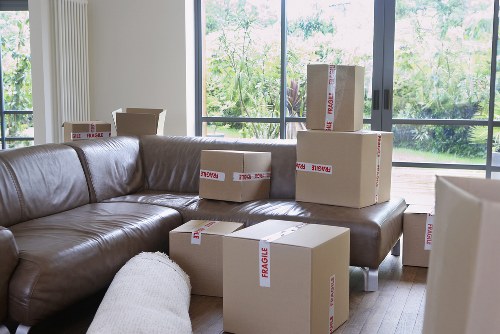 The type of vehicle used for a move should suit both the load and the access. A van that is too small can lead to extra trips, while one that is unnecessarily large may not suit tight streets or limited parking. The most practical choice usually depends on volume, item size and how the property can be reached. Clear access information is therefore just as useful as the list of furniture itself.
Our moving van page reflects the transport side of the work, where the load is arranged safely and delivered in a sensible order. For many moves, the vehicle is only one part of the service; the other part is how the crew handles the items around entrances, staircases and loading points. If a piano, wardrobe or bulky sofa is included, say so early so that the route and lifting plan are appropriate.
There are also practical decisions around whether items should be carried fully assembled or partly dismantled. Some furniture moves more safely when separated into manageable pieces, while other items are better left intact if that avoids unnecessary handling. The right choice depends on the item, the property and the time available. In a quotation request, include any pieces that might need careful disassembly or reassembly so the scope is properly understood.
Where a Clapham move benefits from planning
Clapham includes a mix of homes, flats and busy local streets, so moving work often benefits from advance planning rather than a purely improvised approach. Even when the job itself is straightforward, access can affect how the loading and unloading sequence is organised. A good removals plan should consider the amount of walking distance from property to vehicle, whether there are stairs, and whether the move needs to be split over more than one trip.
The area has a long-established residential character and a busy urban feel, with housing patterns that range from period streets to more recent apartment developments. Clapham Common is a major open space and a familiar local landmark, while the surrounding roads connect to a wider network of shops, cafés and transport links. For moving work, the variety of building types means that not every property will present the same access conditions, even within a short distance.
When you are comparing removal companies, it helps to focus on whether the service can accommodate the actual shape of your move rather than on broad promises. A well-structured enquiry can cover the address type, the items involved and the preferred timing. Use the quotation request to set out the essentials clearly, and you will usually receive a more useful estimate in return.
Pricing factors and quotation details
Removal pricing is usually shaped by the volume of items, the number of crew members needed, the distance involved and the level of handling required at either end of the move. Stairs, narrow corridors, long carries and difficult parking can all affect how long a job takes. So can the need for protective packing, furniture dismantling or multiple collection points. Because of that, the most accurate quotations come from clear information rather than general assumptions.
Our pricing and quotes page is the place to look when you want to discuss the detail behind an estimate. A useful quotation request normally includes the property type, the main items, the destination area and any access issues. If you are uncertain about a piece of furniture or an awkward room layout, mention it anyway. It is better to include one extra detail than to leave out something that changes the scale of the work.
There is no need to overcomplicate the process. A short, honest summary can be enough to start the conversation, especially when the load is small or the move is local. If you have photos or an inventory, they can help with assessment, but a written description is still useful on its own. The aim is simply to make the quote reflect the move you actually need, not an idealised version of it.
Our wider removal services
We also support customers who need related moving services rather than one narrow type of removal. That can include house removals, office removals, mixed item transport and help with selected furniture or van-based moves. Where the job is more complex, it may be sensible to combine packing support with the main moving work so that the process stays organised from start to finish. The best option depends on the property and the items involved.
For domestic relocation work, the house removals service covers a more complete move of household contents. For office-based relocation, office removals may be the better fit when desks, workstations and business equipment need to be moved together. If you only need a lighter arrangement, man with van support can be considered where the load and access conditions are modest. Each option should be chosen for usefulness, not label alone.
Some customers prefer a more general enquiry and then refine the scope after the first discussion. That can work well when the load is still being sorted or when the exact moving date is not fixed. If you are comparing several possibilities, keep the practical question in mind: which service most closely matches the actual amount of handling, transport and coordination needed? That answer is usually the best guide to the quotation request.
About Clapham
Clapham is an area in south London within the London Borough of Lambeth, although parts of the wider Clapham district are also associated with neighbouring boroughs and transport corridors. Its identity has developed through a long history of suburban growth, transport change and residential development, with the common land at its centre helping to shape both leisure use and local character. Clapham Common is one of the area’s best-known features: a large expanse of open space with ponds, avenues, sports areas and mature trees that gives the district a distinct green focal point in an otherwise dense urban setting. The surrounding streets include a varied mix of Georgian, Victorian and later housing, and this architectural variety is one reason the area feels layered rather than uniform. Clapham Old Town retains a different atmosphere again, with older street patterns and a more village-like feel in places, while the broader district connects to busy high streets, schools, cafés and community facilities. The area is served by several Underground stations, with Clapham North, Clapham Common and Clapham South all forming part of the Northern line network. This transport access has long supported the area’s growth and made it a well-connected part of inner south London. The combination of open space, residential density and established local streets gives Clapham a character that is both practical and recognisable, with the common acting as a major reference point for people moving through or around the district.
Requesting a quotation for your move

When you are ready to move, a quotation should make the next step feel clearer, not more complicated. The most useful request is usually simple: explain what needs moving, the collection and delivery locations, and anything that makes the job more involved. That might be stairs, restricted access, a long carry from vehicle to door or items that need extra care. If the work involves both packing and transport, say so in the same enquiry so the quote reflects the full scope.
If you are comparing removal companies in Clapham, it is sensible to look for a service that matches the actual job rather than one that sounds generic. For some customers that means a full house move; for others it means a small van-based job or a one-off furniture transfer. You can contact us to request a quotation and discuss the practical details of the move. A clear, well-described enquiry is the easiest way to get started.
Whether the move is compact or extensive, the goal is the same: safe handling, orderly transport and a plan that suits the property as well as the items. If you already know the rough volume, date and access conditions, include them now. If not, send the information you do have and we can help shape the rest. Ask for your quotation today and take the next step with a move that is properly planned.