Clapham Old Town House Removals and Access Advice
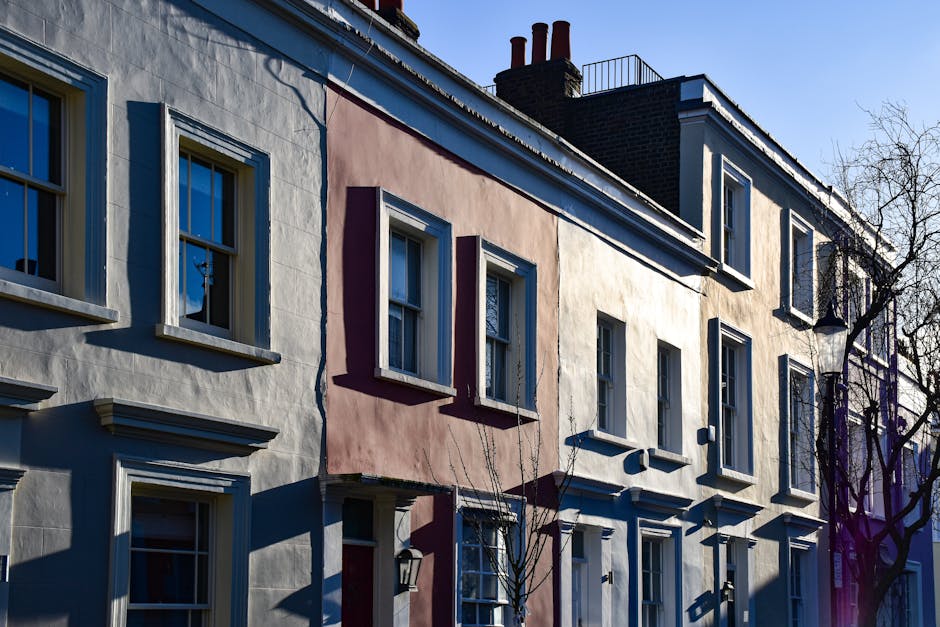
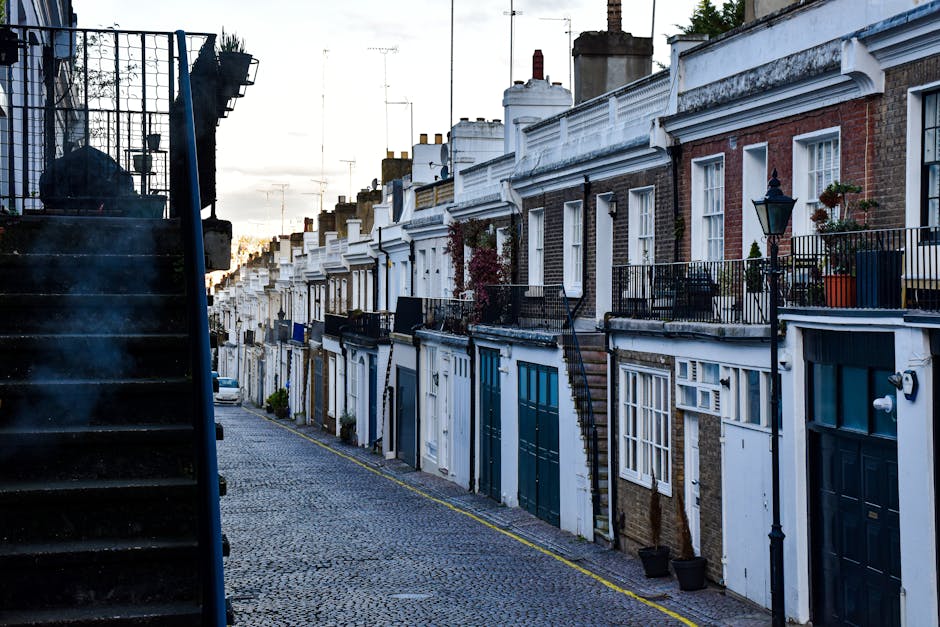
Moving in Clapham Old Town can feel deceptively simple at first glance. The streets are attractive, the properties are full of character, and you are never too far from a cafe, a station, or a busy high street. But once you start planning a house move, the reality kicks in: narrow roads, limited parking, shared entrances, awkward staircases, and the occasional "How on earth is that sofa going to get in there?" moment. That is exactly where Clapham Old Town House Removals and Access Advice becomes valuable.
This guide brings together practical local insight for anyone moving within, into, or out of Clapham Old Town. You will find clear advice on access planning, packing, loading, timing, property types, and how to avoid the little issues that can turn a straightforward move into a stressful one. If you want a smoother move and fewer surprises on the day, you are in the right place.
Why Clapham Old Town Removals and Access Advice Matters
Clapham Old Town is one of those places where the housing stock gives you lovely period character, but the same charm can also create moving-day friction. Terraced houses, maisonette conversions, basement flats, and older buildings often mean tighter doorways, internal steps, shared hallways, and less forgiving access for larger vehicles. On a quiet Tuesday morning, that is manageable. On a wet Friday with a parked delivery van opposite your gate, it becomes a different story.
Access advice matters because removals are rarely won by brute force. They are won by preparation. A good removals plan reduces delays, protects your belongings, and helps everyone stay calm. It also protects neighbours, which is not a small thing in a busy local area. The better you understand the access points, the easier it is to choose the right vehicle, the right crew, and the right timing.
For local context, it can also help to know the character of the area before moving day. If you are still getting to know the neighbourhood, you may find it useful to read a local's take on Clapham as a place to live and this insight into Clapham's character. They are not removals guides, of course, but they do give useful background on the kind of streets and homes people move into here.
Expert summary: In Clapham Old Town, good removals work is usually less about speed and more about access planning, realistic vehicle choice, and knowing where the pressure points are before the van arrives.
How It Works
At a practical level, Clapham Old Town house removals usually follow a simple pattern: assess the property, plan the access, select the right removal method, and carry out the move with as few interruptions as possible. The details matter, though, and that is where the difference is made.
1. Assess the property and approach
The first step is a proper look at the home itself and the route in and out. That means checking front steps, side access, hall width, internal staircases, lift availability if applicable, and whether a van can stop close enough to the door. A street that seems fine for everyday parking can still be awkward for a large vehicle at moving time. It happens all the time, honestly.
2. Match the move to the access
Once the access is understood, the next step is matching the move to the method. A full-size house removals team may be ideal for larger homes and furniture-heavy moves, while a smaller van-based solution can be more suitable where loading space is restricted. You can compare options on the site's services overview, along with house removals in Clapham, man and van support, and removal van options.
3. Plan loading order and protection
Good removals are organised from the inside out. Bulky items, fragile boxes, and everyday essentials should be grouped before the move begins. Doors, banisters, and flooring should be protected where needed. A bit of care here saves a lot of annoyance later. No one wants a scuffed wall on day one in a new home.
4. Complete the move with room to breathe
On the day itself, the aim is to keep the process clean and controlled. That means keeping walkways clear, avoiding unnecessary back-and-forth, and being realistic about timing. If the access is awkward, the crew may need extra minutes to manoeuvre furniture or to park at a distance and shuttle items safely. That is normal. The important thing is that it is planned, not discovered halfway through.
Key Benefits and Practical Advantages
When access advice is done properly, the benefits show up immediately. You save time, reduce risk, and avoid the sort of small headaches that can eat up an entire afternoon. It is not glamorous, but it is the difference between a move that feels under control and one that feels like it is running away from you.
- Fewer delays: Clear access planning reduces waiting around for parking, keys, or awkward manoeuvres.
- Less damage risk: Protected routes and sensible lifting methods reduce the chance of damaged furniture or walls.
- Better vehicle choice: Not every street suits every van. Access advice helps match the job to the road.
- Lower stress: Everyone works better when the plan is realistic.
- More efficient unloading: A tidy approach at both properties keeps the move moving.
There is also a customer-service benefit that people sometimes overlook. When access has been thought through, the removals team can focus on the move itself instead of solving avoidable problems on the pavement. That usually means a better experience overall.
If you are comparing local providers, it is worth reading about the company itself too. A page like about the team can help you judge whether the approach feels professional and grounded. For pricing expectations, see pricing and quotes; for reassurance around risk, look at insurance and safety.
Who This Is For and When It Makes Sense
This kind of advice helps almost anyone moving in Clapham Old Town, but some situations benefit more than others.
Homeowners in period houses
If you are moving from a terraced or semi-detached house with tight front access, you will need careful planning for larger furniture, appliances, and beds. Period properties can look spacious inside while still being awkward at the door. Funny old thing, that.
Flat movers and conversion residents
Many people in the area live in converted flats, upper floors, or homes with shared entrances. In these cases, the access challenge is often about stairs, hallways, and limited waiting space rather than just the street itself. If that sounds familiar, flat removals in Clapham may be especially relevant.
Families with a full household to move
Families usually have more volume, more fragile items, and more coordination needs. That can include school furniture, children's belongings, large wardrobes, and kitchen equipment. A strong plan matters because the move day is usually already busy enough without improvising.
Students and first-time movers
Students often move with less stuff, but they are more likely to need flexible timing and budget-conscious support. That is where student removals or a smaller van-based service can be useful. If you are new to the area, moving in with less pressure is a nice way to start.
Anyone on a tight schedule
Sometimes the main issue is simply time. Same-day completions, short notice changes, and awkward key handovers can all squeeze the timetable. In those cases, a service like same-day removals may be the safer option, provided access has been checked properly.
Step-by-Step Guidance
Here is a sensible, non-dramatic way to tackle a house move in Clapham Old Town. Nothing fancy. Just the stuff that works.
- Walk the property like a removal crew would. Check the front path, doorway, stairs, internal corners, and any narrow turns. Measure large furniture if you have not done so already.
- Assess parking and stopping space. Think about where a van can safely pause, whether there is room to load, and whether nearby traffic will make access awkward.
- Separate what needs professional handling. Heavy wardrobes, mirrors, pianos, and awkward furniture should be flagged early. If piano moves are involved, use piano removals rather than guessing.
- Pack by room and priority. Essentials boxes should be clearly labelled. Bedding, chargers, documents, snacks, kettle things. You know the drill.
- Protect the route. Remove loose rugs, clear hallways, and make sure doors can open fully. Small details matter here.
- Choose the right team and vehicle. A full house move, a van-only job, or a hybrid approach may all be valid depending on access.
- Confirm timings and contact details. Moving day rarely goes perfectly to script. Keep the point of contact easy to reach.
- Do a final walkthrough before the van leaves. Check cupboards, lofts, behind doors, and under beds. The forgotten sock and the lost charger are practically removal-day traditions.
If you want packing support rather than doing it all yourself, packing and boxes is a sensible page to review. Proper packing is not just about speed; it also makes awkward access much easier because boxes stack cleanly and safely.
Expert Tips for Better Results
A few small adjustments can make a big difference. In our experience, the most successful local moves are rarely the ones with the fanciest plan. They are the ones where someone took an extra ten minutes to think properly.
Measure the tricky items before moving day
Do not assume a sofa will fit because it "probably did in the old place." Measure height, width, and depth, and compare it with doorways, stair bends, and landing turns. If the sofa is sectional, make sure it can come apart. That sounds obvious, but people still get caught out.
Use the first floor as your mental checkpoint
If your home has stairs, the first bend or landing is often where moving friction starts. That is where wardrobes snag, mattresses twist, and nerves go up a notch. Plan around the tightest point, not the easiest one.
Keep one access plan for the van and one for the building
They are not always the same thing. A van may be able to stop nearby, but if the building entrance is across a shared courtyard or down a narrow passage, loading time changes. Think in two layers: street access and internal access.
Use colour or room labels
Colour-coded stickers or simple room labels help a lot, especially in multi-room houses. The crew can place boxes straight into the right room without asking "is this kitchen or spare room?" fifty times. Which, to be fair, gets old fast.
Plan around the neighbours
Clapham Old Town streets can be busy and closely lived-in. A quick heads-up, where appropriate, can reduce complaints about blocked pavements or temporary noise. It is the sort of small courtesy that tends to pay for itself.
If your move is near the station or a heavily parked street, it may help to read guidance on removals near Clapham Junction Station and tips for narrow street moves on Abbeville Road. Those local access challenges are close cousins of the Old Town experience.
Common Mistakes to Avoid
Most moving mistakes are not dramatic. They are just quietly expensive in time, effort, or frustration. Here are the ones worth dodging.
- Assuming parking will sort itself out. It often does not. Especially not in tighter streets.
- Leaving access checks too late. The day before is not the ideal time to discover a low arch or a very tight stair turn.
- Mixing heavy and fragile items. Boxes should be built for stability, not convenience alone.
- Ignoring building rules or shared access needs. Some properties have house rules, time restrictions, or shared entrance issues.
- Choosing the wrong vehicle size. Too small and you waste time. Too large and you create parking trouble. There is usually a sweet spot.
- Underestimating how long access takes. A short walk from van to door can become a long carry if the route is awkward.
A small but important mistake: people often focus on the furniture and forget the route the furniture has to take. It sounds minor. It is not.
Tools, Resources and Recommendations
You do not need a pile of specialist kit to have a good move, but the right practical tools help more than people expect.
- Measuring tape: For doors, stair widths, and furniture dimensions.
- Labels and marker pens: Useful for box organisation and room allocation.
- Furniture blankets and wraps: Good for protecting wooden finishes, table corners, and mirrors.
- Strong tape and proper boxes: Weak boxes are a false economy, plain and simple.
- Torches or phone lights: Handy for dark hallways, lofts, and basement spaces.
- Phone photos of tight access points: Very useful if you need to brief a removals team before the day.
For service planning, the site's removal services in Clapham page is a helpful starting point. If you need short-term holding space while keys, access, or completion timings are being sorted, take a look at storage in Clapham. Storage can be a quiet lifesaver, truth be told.
For people comparing broader support, the site also includes man with a van services, removals in Clapham, and removal companies in Clapham, which can help you judge the right scale of support for your move.
Law, Compliance, Standards, or Best Practice
For household removals, the main compliance concerns usually sit around safety, access, insurance, property care, and fair handling of customer belongings. You do not need to memorise legal language to benefit from good practice, but it helps to know what a professional removals operation should be thinking about.
Best practice usually includes careful lifting methods, sensible manual handling, appropriate vehicle loading, insurance cover, and clear terms around timing and responsibility. It also includes respecting shared spaces, avoiding blocked pavements where possible, and protecting buildings and contents during the move.
If a move involves a public road, tight access, or an awkward stopping point, the provider should think carefully about risk and how the move is managed. That is where pages like health and safety policy and terms and conditions become more than formality. They help set expectations. They also help you ask better questions, which is always a good thing.
It is also sensible to check how a company handles payment security and customer data, especially if you are sharing address details, access notes, or booking information. The site's payment and security, privacy policy, and cookie policy pages are relevant here. For sustainability expectations, recycling and sustainability is worth a look too.
Options, Methods, or Comparison Table
Choosing the right moving method in Clapham Old Town usually comes down to volume, access, timing, and budget. Here is a simple comparison to help you think it through.
| Option | Best for | Access advantages | Possible drawbacks |
|---|---|---|---|
| Full house removals | Larger homes, family moves, heavier furniture | Structured loading, more hands, better handling of bulky items | Needs more space and clearer timing |
| Man and van | Smaller moves, flexible schedules, limited items | Easier to position on tighter streets, good for quick turns | Less capacity for large or complex moves |
| Removal van service | Mid-sized household loads | Balanced option when the access is workable but not generous | May need more careful packing and scheduling |
| Storage plus move | Delayed completions, phased moves, renovations | Takes pressure off access timing and key handovers | Extra coordination and potential extra cost |
If you are unsure which route suits you, start with the access question first. How easy is it to get to the front door, and how easy is it to get furniture out without damaging the building? That answer often points you to the right option.
Case Study or Real-World Example
Here is a realistic example based on the sort of move people often make in Clapham Old Town.
A couple were moving from an upper-floor flat in a converted Victorian property into a nearby terraced house. On paper, it looked like a simple local move. In practice, the flat had a narrow stairwell, the street outside had limited stopping space, and one of the largest items was a deep sofa that had to turn tightly on the landing. They also had a heavy chest of drawers that would not have enjoyed a rushed carry. Not at all.
Instead of treating it as a straightforward van job, they planned the access in advance. They measured the stair bends, packed boxes by priority, and arranged for the removals team to arrive at a time when the street was quieter. A second vehicle was not needed, but the smaller approach and the extra care around loading made the difference. The move still took effort, of course, but it stayed controlled. No panic. No last-minute surprises. Just a long morning and a properly finished job.
That is the point, really. In Clapham Old Town, the best move is often the one that looks calm from the outside because the access issues were dealt with before they became visible.
Practical Checklist
Use this checklist in the days leading up to your move. It is simple, but it catches a lot of avoidable issues.
- Measure large furniture and note any awkward shapes.
- Check stair turns, door widths, and hall clearance.
- Confirm where the van can stop and unload safely.
- Tell the removals team about any basement access, upper floors, or shared entrances.
- Pack a first-day essentials box for each household member.
- Label boxes by room and priority.
- Protect floors, banisters, and corners where needed.
- Keep keys, paperwork, and contact details easy to reach.
- Arrange storage if there is a gap between properties or completion times.
- Leave a bit of breathing space in the schedule. Always.
Quick takeaway: the fewer surprises you leave until moving day, the easier Clapham Old Town access becomes. That is the whole game.
Conclusion
Clapham Old Town house removals are manageable when you respect the access side of the job. The streets may be charming, but charm does not move wardrobes, and it does not create parking space. Good planning, clear packing, realistic timing, and the right moving method all help turn a stressful day into a workable one.
If you are preparing a local move, start by thinking about the property shape, the road outside, and the items you really do not want to damage. Then choose the removals support that fits the space rather than forcing the space to fit the move. That single decision usually saves time, money, and a fair bit of headache.
Get a free quote today and see how much you can save.
And if you are still at the planning stage, that is fine too. A calm move is usually built one sensible choice at a time.
Frequently Asked Questions
What makes Clapham Old Town removals different from other local moves?
Clapham Old Town often involves period homes, narrow streets, shared access, and limited parking. That means access planning matters more than it might in a newer development with wider roads and easier loading space.
Do I need special access advice for a house move in Clapham Old Town?
Usually, yes. Even if the move itself is not complicated, access advice helps you understand where the van can stop, how furniture will pass through the property, and whether any items need extra care or dismantling.
Is a man and van service enough for a local Clapham move?
Sometimes it is, especially for smaller households, lighter loads, or shorter distances. For bigger homes, awkward furniture, or complex access, a fuller removals service may be the better fit.
What should I measure before moving day?
Measure the biggest items first: sofas, beds, wardrobes, mirrors, and appliances. Then check door widths, hallways, stair bends, and the route from the front door to the van. The difficult part is usually the turn, not the straight line.
Can storage help if my access or completion date is uncertain?
Yes. Storage is often useful when there is a gap between moving out and moving in, or when access timing is uncertain. It gives you breathing room and reduces pressure on the day.
How do I know whether my street is suitable for a removal van?
Think about stopping space, turning room, traffic flow, and whether the van can load without blocking neighbours or creating safety issues. If in doubt, describe the street and access points clearly before booking.
Are stairs a big problem for removals?
They can be, especially in older buildings with narrow turns or steep staircases. That does not mean the move is difficult overall, but it does mean the crew needs to plan lifting and carrying carefully.
What should I tell the removals company before the job?
Tell them about stairs, lifts, parking, gate codes, restricted access, heavy furniture, fragile items, and any time pressure around key collection or completion. The more accurate the picture, the smoother the move.
How far in advance should I arrange a local move in Clapham Old Town?
As early as you can, especially if you are moving at a busy time of year or need a larger team. Short notice moves can still happen, but planning ahead usually gives you more flexibility and a better chance of getting the right support.
What if my furniture will not fit through the stairs or doorway?
That is where measurements and experience help. Some items can be dismantled, carried in sections, or moved via an alternate route. If there is any doubt, raise it before moving day rather than hoping for the best.
Are there any local pages that can help me compare services and next steps?
Yes. A sensible place to start is the services overview, followed by pages on house removals, flat removals, and pricing and quotes. They help you compare the practical side without overcomplicating things.
What is the most common mistake people make with access advice?
The most common mistake is assuming access will "probably be fine." In Clapham Old Town, it is worth checking the details properly because the details are exactly where moving day can wobble.
Can I get help with sustainability or disposal during the move?
Yes, depending on the service you choose. If you are trying to reduce waste, reuse boxes, or handle unwanted items responsibly, the site's recycling and sustainability information is a useful reference point.